


 Admin
Admin
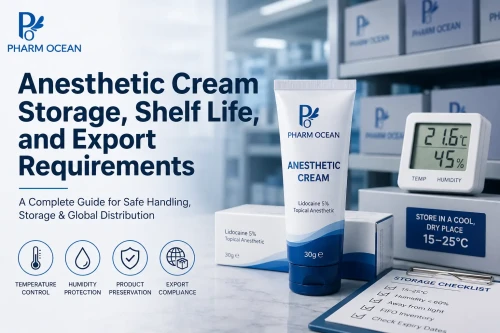
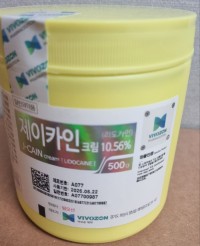
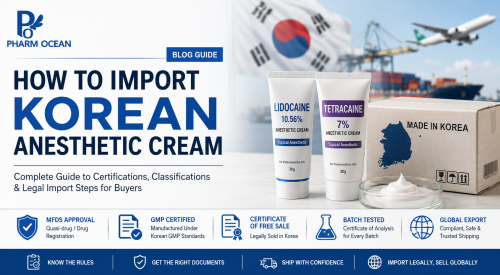
South Korea makes some of the most advanced topical anesthetic creams in the world. Buyers for tattoo parlors, dermatology clinics, and medical spas want these. However, it's not easy to import Korean anesthetic cream. They are often available as lidocaine, tetracaine, or prilocaine. That makes them subject to drug or quasi-drug law and not cosmetic law. This guide takes you through the certifications, classifications, and steps that you need to take before ordering your first product. Why Anesthetic Cream Import Rules Differ from Cosmetics Anesthetic cream is used to numb the skin. It works by blocking nerve signals. That function changes its legal category. Most countries consider it a drug, not a cosmetic. It's the same in South Korea. MFDS Product Tiers The Korean Ministry of Food and Drug Safety, or MFDS, controls these products. MFDS has divided topical products into three tiers. Cosmetics are at the lowest tier. Quasi-drugs are in the middle. Pharmaceutical drugs are at the top of the list. Usually, anesthetic creams containing active numbing agents belong to the quasi-drug or drug category. This is important to you! Quasi-drug and drug products need premarket approval from MFDS before sale or export. This is not required for cosmetics. Suppliers that state their numbing cream as a 'cosmetic' instead of quasi-drug registration are warning signals. Why Concentration Matters Most destination markets are categorized by lidocaine concentration. In some countries, products with less than 4% lidocaine can be OTC. Products that exceed the threshold typically need prescription-level drug product licensing. Check the actual percentage on the certificate of analysis, and not on the product label. What Certifications Should Your Korean Supplier Hold Request these documents from your supplier before signing a purchase order. · Quasi-drug or drug manufacturing license issued by MFDS, specifically for the product name. · GMP certificate issued by the Korean manufacturing plant. · Certificate of Free Sale from MFDS or the Korean Chamber of Commerce. · Specific batch Certificate of Analysis to show the percentage composition of the active ingredient. · Customs and warehouse handling material safety data sheet in English. · A valid export license (if the product is regulated in the destination country as a controlled substance). The GMP certificate is to ensure the factory is working in accordance with Good Manufacturing Practice. The Korean GMP for quasi-drugs is based on the national standard, Korean GMP, which is congruent with international standard manufacturing norms. You need to specify a particular product category because Cosmetic GMP and quasi-drug GMP are not identical. If it has a Certificate of Free Sale, the product is legally for sale inside Korea. It is a document that is usually required for customs clearance in many countries. If not, it may be possible that your shipment remains in the bonded warehouse for weeks. How Lidocaine Content Affects Your Import Classification The most widely used ingredient in Korean anesthetic creams is called Lidocaine. Concentrations are usually between 4% and 10.56%. Some of the clinical-grade formulas go to higher percentages under prescription control. Your destination country determines treatment based on each concentration. FDA considers use of lidocaine-containing products in the U.S. as prescription drugs unless the FDA has published a monograph for OTC use. Medicines are authorized in the European Union by national medicines agencies, and requirements differ among member states. In the Gulf region, several countries will issue the drug import license regardless of the concentration. Getting the HS Code Right Always find out your own country's threshold before ordering. Check with your customs broker for the proper Harmonized System code. Anesthetic creams are more often classified as HS code 3004 medicaments rather than HS code 3304 cosmetics. Illegal or incorrect HS codes lead to shipment delays or fines. Who Regulates Anesthetic Cream Exports from Korea? There are three Korean bodies to be concerned with here. MFDS is responsible for product classification and manufacturing licenses. The Korea Customs Service handles export declarations. Korea Pharmaceutical Traders Association provides exporters with documents and trade compliance services. If your supplier does not have their MFDS registration number, this should be a red-flag warning. All quasi-drugs or drugs sold legally in Korea are given a registration number. This can be requested and independently verified using the MFDS public search tools. The anesthetic cream is sold by a few small factories through the general trading companies instead of the pharmaceutical export market. This shortcut may avoid the correct registration processes. Customer who import via these channels are at risk of rejection at their borders. Steps to Import Korean Anesthetic Cream Legally The procedure outlined here will simplify the import process. Before You Order First, find out what country you are heading to considers it as such for the active ingredient and concentration you want. Contact your national drug regulator or a licensed customs broker. Secondly, get a full certificate from your supplier in Korea. These comprise the MFDS application, GMP Certificate, Certificate of Free Sale, and Batch Certificate of Analysis. Thirdly, check the MFDS registration number on the official MFDS integrated information system. This step will only take a few minutes and will save you from massive errors. Before the Shipment Leaves Korea Fourth, check if there is a requirement for a drug import license or permit in your country prior to the drug leaving Korea. Many countries, such as some in the Middle East, demand prior clearance from the customs department before goods are cleared. Fifth, make sure to label it properly. Many countries require listing ingredients, batch numbers, expiration dates, storage instructions, and the country of origin in Korean or English. Sixth, be sure to use a freight forwarder with experience in pharmaceutical or quasi-drug shipments. Some anesthetic creams may need special handling for shipment, as heat may affect the active ingredients more rapidly than it does for standard cosmetics. Seventh, keep all documentation for at least three years after import. Customs audits are possible many months after the clearance. The Most Frequently Made Mistakes By Buyers. Buyers often assume anesthetic cream ships like any beauty product. This belief leads to issues at customs. If a shipment contains lidocaine or tetracaine and carries a cosmetic HS code, officials will flag it. Another error that people make is batch testing. Sometimes, suppliers offer a general type Certificate of Analysis rather than the one that matches the exact batch sent. Make sure that you receive a batch-matched document each time. Avoiding Shelf Life and Pricing Pitfalls The other problem is that the buyers underestimate the need for shelf life. Some destination countries will not accept shipments if the remaining shelf life is less than 6 months. Check with your customs broker before finalizing your purchase. However, some consumers are deceived by Price. Some suppliers will not invest in MFDS registration to reduce costs if they can offer anesthetic cream at a lower price than the market. Lower registration costs could indicate that the product has not been properly tested to quasi-drug or drug standards. Working with a Reliable Exporter Look for a Korean supplier that has a proven track record of international sales, not only cosmetic products. Seek recommendations from other foreign buyers in your area. Always ask for samples with all documentation before ordering in bulk. A good exporter responds promptly to requests for documentation. They don't hesitate to give registration numbers. They know the import regulations of your destination country, or, if needed, they ask the right questions about them. These signs are more important than marketing claims made on a product page. FAQS What are the requirements for importing Korean anesthetic cream? They require the MFDS registration number, certificate of GMP, certificate of free sale, and certificate of analysis for each batch. Is it possible to import Korean anesthetic cream without MFDS quasi-drug registration? No. Unregistered products cannot be sold in Korea legally and are rejected at most borders. What is the MOQ for the wholesale price of Korean anesthetic cream? The minimum order quantity depends on the individual supplier. Make sure to find Korean anesthetic cream suppliers with a transparent MOQ. What is the estimated time for customs clearance for anesthetic cream for the shipment? Clearance times vary based on your country's regulations on drug importation. You will find exactly the same estimate through any reliable supplier, and a decent freight forwarder will verify the typical durations for your product type. Does lidocaine strength impact the import license I need? Yes. Full drug import licensing is sometimes required instead of normal OTC clearance if the concentrations are higher. Make sure you're ordering Korean anesthetic cream by the right percentage before ordering any bulk items.